

Key Takeaways
- Childcare settings in Singapore focus on early learning through play, routine, and social interaction
- Structured programmes support language, emotional growth, and foundational skills
- A preschool in Singapore often works closely with families to reinforce learning at home
- Quality childcare in Singapore balances academic readiness with well-being and confidence
Introduction
Early childhood has a way of shaping everything that comes after. Habits form quietly. Curiosity grows in small, everyday moments. This is where childcare in Singapore plays a much larger role than many realise. Beyond supervision, it creates a steady rhythm for learning, social growth, and emotional balance during the most formative years.
For working families, childcare is often the first structured environment a child experiences outside the home. That shift matters. It introduces new routines, new voices, and new ways of understanding the world, all while laying foundations that support lifelong learning.
Learning That Feels Like Play, But Isn’t Random
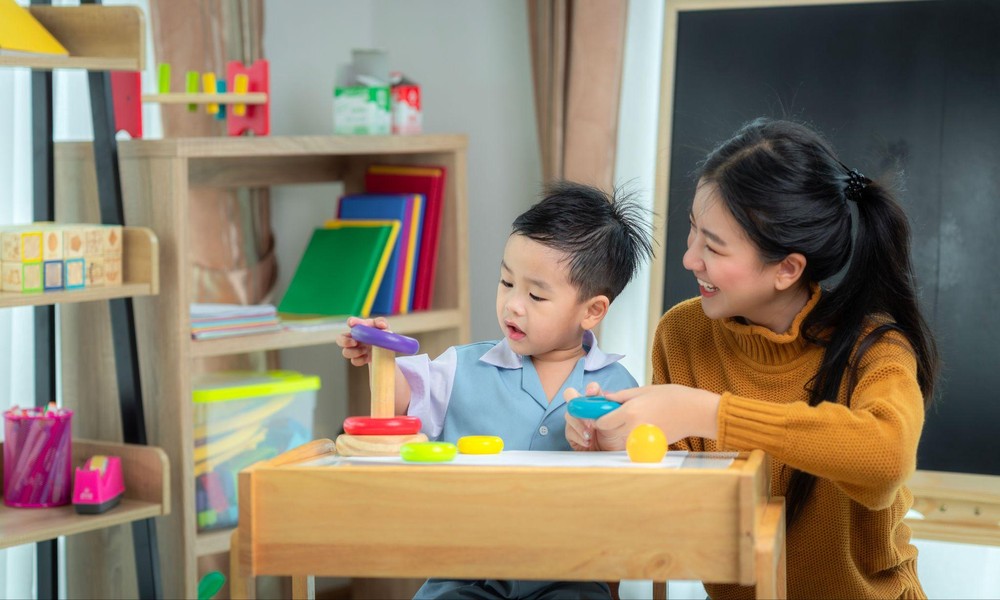
Walk into most centres and the first thing noticed is movement. Children building, drawing, singing, negotiating turns. It looks casual, almost chaotic. Yet much of this is intentional. Learning through guided play helps young children grasp ideas without pressure or rigid expectations.
In a typical preschool in Singapore, activities are designed to strengthen language, motor skills, and early numeracy in ways that feel natural. Storytime becomes a lesson in listening and empathy. Block play quietly teaches balance and problem-solving. Even snack time has a role to play, encouraging independence and communication.
Social Skills Start Earlier Than Expected
One of the biggest benefits of structured childcare is social exposure. Sharing toys, waiting for turns, handling disagreements, and making friends are not instincts. They are learned behaviours, practised daily.
Childcare in Singapore often places strong emphasis on social-emotional development. Teachers guide children through small conflicts and help them name feelings, rather than dismiss them. Over time, children gain confidence navigating group settings, which makes transitions to primary school far less daunting.
Language Development in a Multicultural Setting
Singapore’s multilingual environment naturally shapes early education. Many centres introduce children to more than one language, either formally or through everyday interaction. This exposure strengthens listening skills and cognitive flexibility at a young age.
A preschool in Singapore typically supports language growth through songs, storytelling, and conversation, rather than drills. Children pick up vocabulary by using it, not memorising it. This approach tends to build stronger communication skills and a healthier relationship with learning.
Structure That Still Leaves Room to Breathe
There is a common worry that early education might feel too academic, too soon. Interestingly, the most effective programmes strike a balance. They provide structure without crowding out curiosity.
Daily routines create predictability, which young children need. At the same time, flexible pacing allows educators to follow a child’s interests when it makes sense. This mix supports focus while still respecting individuality, something many parents come to value over time.
Supporting Families, Not Replacing Them
Quality childcare does not compete with home learning. It complements it. Many centres keep parents informed through updates, photos, and brief conversations at pick-up time. These touchpoints matter more than they seem.
Childcare in Singapore often works as a partnership, aligning routines and reinforcing values rather than imposing them. When children experience consistency between home and school, learning tends to stick more naturally.
Preparing Children Without Rushing Them
Parents want children to be prepared, yet not pressured. The best centres manage both. They introduce basic academic concepts while prioritising emotional readiness and self-confidence.
A preschool in Singapore usually focuses on readiness skills such as listening, following instructions, and expressing needs clearly. These are the abilities that make formal schooling smoother, not early worksheets or test-style tasks.
Conclusion
Early learning is rarely about grand milestones. It grows through daily interactions, gentle guidance, and environments where children feel safe to explore. Childcare in Singapore supports this growth by blending structure with warmth, learning with play, and education with care.
For families considering early childhood options, the right centre can make a lasting difference, not just academically, but emotionally and socially too. To learn more about quality childcare programmes and early education services, get in touch with Raffles Kidz International today to explore how the right support can help every child thrive.
