


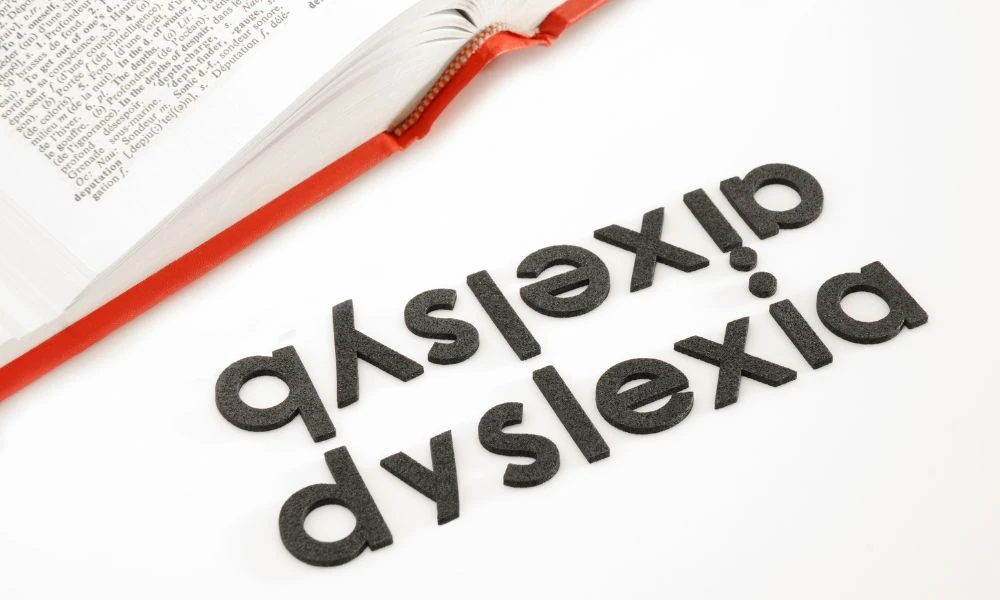
A child may finish a page yet struggle to explain what happened. Dyslexia can make understanding written language more demanding, especially when identifying words takes considerable effort. Children need instruction that helps them connect details with meaning instead of simply completing exercises. Families exploring dyslexia testing in des moines can seek information about their child’s learning needs and possible educational support.
Understanding Meaning Beyond Words
Consider a child who reads a story about someone losing a favourite possession. The child might remember the event but miss why the character feels upset. A teacher can invite the child to explain the situation using familiar examples. This encourages deeper thinking because understanding depends on recognizing emotions, motives and relationships rather than recalling sentences alone.
Which Activities Encourage Deeper Understanding?
Children often respond differently to activities that involve speaking, remembering and explaining. The following exercises give them several ways to work with information.
- Retelling an event helps children organize details into meaningful sequences.
- Explaining unfamiliar expressions connects language with everyday situations.
- Comparing character decisions encourages thoughtful interpretation of actions.
- Describing a story ending develops independent expression of ideas.
- Identifying important details helps distinguish central messages from minor events.
Can Individual Support Make A Difference?
One child might struggle to understand lengthy sentences while another finds it difficult to connect separate ideas. Dyslexia support becomes more useful when instruction addresses the actual difficulty rather than following identical exercises for everyone. Families considering dyslexia testing in des moines can explore assessment options that clarify learning needs and inform decisions about appropriate educational guidance.
Helping Children Connect Ideas
Understanding improves when learners recognize relationships between different parts of a passage. After finishing a story, a teacher might ask what caused a particular event or why the ending mattered. Children must look beyond individual details to form an explanation.
Developing Independent Thinking Skills
Progress becomes visible when a child starts explaining ideas without waiting for someone else to provide the answer. Parents can invite children to share their opinions about a story or describe an unexpected event. Teachers may gradually introduce more complex material as understanding develops. Regular opportunities to think independently help learners become more confident in their academic abilities.
FAQ
What helps children understand the meaning behind written information?
Guided conversations encourage children to connect details and explain ideas.
Can individual learning activities improve comprehension skills?
Yes, suitable activities address specific difficulties and strengthen understanding.
Why should teachers encourage children to explain their answers?
Explanations reveal understanding and help teachers identify areas needing support.