


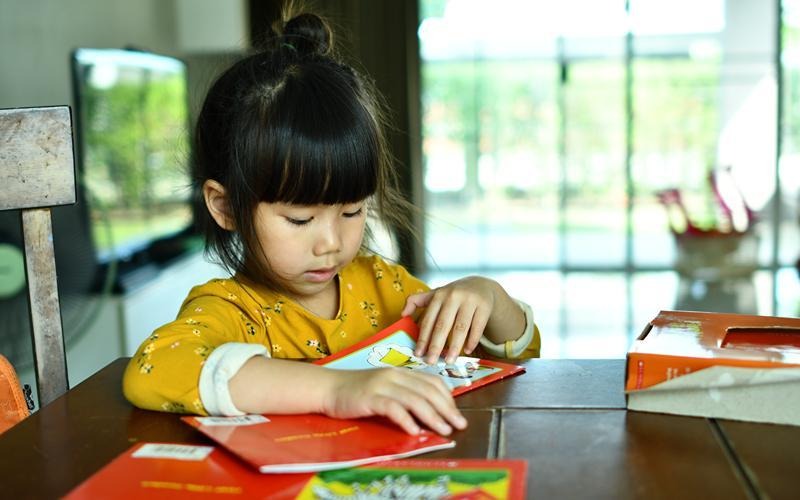
Selecting a Mandarin preschool involves more than simply how many hours a child will spend speaking the language; it also involves how the language will be incorporated into their daily life. A strong preschool curriculum builds Mandarin fluency naturally by connecting words with actions, routines, and discovery. Instead of relying solely on flashcards, children learn through repetition, conversation, and real-life situations. This approach ensures Mandarin becomes part of daily thinking, not a subject to memorise.
1. Curriculum Frameworks That Blend Play and Purpose
The best bilingual programmes use structured play rather than rigid lessons. Every activity, including cooking, art, theatrical play, and block construction, has a language objective. Teachers model short Mandarin phrases that match what children are doing (“I’m washing,” “Let’s count three apples”), turning play into practice. This kind of immersion builds confidence because language is experienced rather than drilled.
2. Thematic Learning That Deepens Understanding
A good preschool curriculum revolves around topics that change every week, such as nature, food, or transportation. Vocabulary and grammar spiral across activities so children meet words in new contexts. For example, “apple” appears first in snack time, then in a counting song, and later in a painting session. Repetition in fresh settings reinforces recall and helps children use Mandarin naturally in conversation.
3. Daily Routines That Support Natural Bilingual Use
Routine language creates fluency faster than isolated lessons. Greetings, tidying up, snack preparation, and outdoor play all become touchpoints for Mandarin. Teachers repeat phrases gently and invite responses instead of translating every line. Mandarin sounds comfortable, secure, and rhythmic because of this continuous exposure to typical situations all of which are important components for early retention.
4. Storytelling That Builds Vocabulary and Empathy
Stories connect emotion to language. Mandarin story time introduces sentence rhythm, character voice, and empathy for others’ feelings. Children act out parts, draw favourite scenes, and retell the story in their own words. With each retelling, pronunciation and sentence structure improve naturally. This literacy foundation supports reading and writing when formal phonics begins later in the year.
5. Cultural Threads That Keep Mandarin Relevant
Culture keeps language alive. Through songs, festivals, crafts, and cooking, children experience Mandarin beyond the classroom. Activities like making mooncakes or paper lanterns link vocabulary to family traditions and sensory experiences. When culture becomes part of play, children feel pride in using the language, not pressure to perform. This connection sustains long-term interest and fluency.
6. Parental Engagement That Extends Learning at Home
Whether it’s reading a bilingual bedtime tale, singing a song in the vehicle, or placing Mandarin labels throughout the house, successful schools teach families how to reinforce teachings through brief, manageable routines. Home-school links help children hear familiar words from loved ones, strengthening recall and confidence. Parents see progress faster when they use simple cues aligned with classroom topics.
7. Assessment That Tracks Growth Beyond Grades
A well-designed Mandarin preschool measures progress through observation, not tests. Teachers record how children respond in conversations, how long they sustain Mandarin exchanges, and how they mix new vocabulary with earlier lessons. These observations shape next week’s plan, keeping instruction responsive and personal. A child’s spontaneous usage of a new term during play is a sign of true progress.
Conclusion
A thoughtful preschool curriculum treats Mandarin as a living language woven through play, stories, and daily routines. When teachers design lessons that link speech to real actions, fluency builds without stress. Parents and educators share the same goal: to make learning joyful, practical, and consistent. With play-based themes, cultural experiences, and gentle assessment, children leave school ready to use Mandarin confidently and naturally.
Schedule a classroom tour at Orange Tree Preschool to see how a balanced preschool curriculum nurtures Mandarin fluency through structured play and daily immersion.