


Choosing the right early childhood programme is laying the foundation for a child’s emotional, social, and cognitive growth. The pre-nursery school stage in Singapore often marks a child’s first exposure to structured learning outside the home. From there, Nursery 1 in Singapore introduces more focused interaction, and the Nursery 2 curriculum in Singapore further builds on progress with early literacy, numeracy, and problem-solving. These formative years are about more than knowing letters and numbers. They’re about developing curiosity, learning to work with others, and understanding how to approach challenges. When planned thoughtfully, each stage can maintain a child’s enthusiasm for learning, maximise their potential, and help them improve skills in a way that feels natural.
Creating a Love for Learning from Day One
The enthusiasm children bring to school in their first years can be a powerful driver of success if nurtured well. In pre-nursery school in Singapore, this often starts with play-based activities that engage the senses. Songs, stories, art, and movement help children associate learning with fun, ensuring they are eager to come back each day.
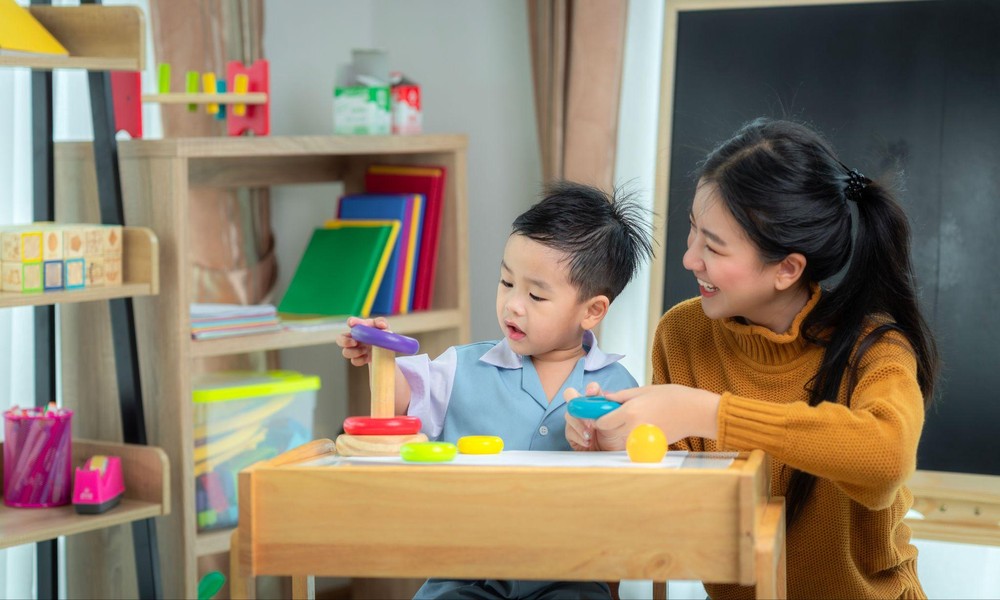
When moving into Nursery 1 in Singapore, the challenge becomes sustaining that excitement while introducing new concepts. Teachers often blend hands-on experiences with gentle structure, allowing children to explore themes like nature, shapes, and sounds without feeling pressured. Maintaining a balance between routine and variety ensures that lessons stay fresh.
By the time they reach the Nursery 2 curriculum in Singapore, children can handle more structured tasks. But the emphasis on joy in learning remains. Lessons may include science experiments, group storytelling, or creative art projects that stimulate the mind while keeping the engagement high. The goal is to ensure that learning never feels like a chore.
Making Every Lesson Count
Maximising the benefits of each stage means understanding what skills are most appropriate for a child’s development. In pre-nursery, this often revolves around language exposure, sensory exploration, and basic self-help skills like washing hands or tidying up toys. Parents can support this at home by reading daily and allowing children to help with simple household tasks.
In Nursery 1, teachers begin introducing foundational skills in literacy and numeracy. Counting games, rhyming activities, and guided drawing exercises are common. At this stage, encouraging children to share their thoughts and ideas builds confidence in communication.
The Nursery 2 curriculum in Singapore typically focuses on more complex concepts, such as sequencing, pattern recognition, and collaborative projects. Children learn how to work in small groups, take turns, and resolve minor conflicts. Maximising efforts here means offering children the right level of challenge to encourage growth without overwhelming them.
This is also where observational assessment becomes vital. Teachers and parents should work together to track progress and adjust strategies, ensuring that each child benefits fully from their learning opportunities.
Building Blocks for Future Success
Skill development in early childhood is cumulative. The experiences a child has in pre-nursery school in Singapore directly influence their readiness for later stages. Improving skills at this age can be as simple as encouraging curiosity by asking open-ended questions, exploring new environments, and fostering independent thinking.
In Nursery 1 in Singapore, children can improve their fine motor skills through activities like cutting with safety scissors, threading beads, or drawing detailed pictures. Storytelling and role-play encourage imagination while improving vocabulary and social interaction.
The Nursery 2 curriculum in Singapore is an ideal time to refine problem-solving skills and resilience. Group activities like building structures from blocks or creating a class garden teach planning, teamwork, and adaptability. These skills will serve children well as they transition to formal schooling.
Parents play a crucial role here. By reinforcing what’s learned in the classroom through at-home activities, they help children strengthen and apply their skills in everyday situations. Simple routines, like setting the table, sorting laundry, or cooking together, provide practical applications for the concepts introduced at school.
The Journey Matters as Much as the Destination
From the playful beginnings of pre-nursery to the structured yet creative approach of the Nursery 2 curriculum in Singapore, each stage offers unique opportunities to grow. Maintaining enthusiasm keeps learning enjoyable, maximising efforts ensures no moment is wasted, and continuous skill improvement builds a strong foundation for future academic and personal success. For parents, the message is clear: be involved, be observant, and be ready to adapt. The early years are a critical part of shaping a child’s lifelong relationship with learning.
Curious how your child can thrive from pre-nursery through Nursery 2? Explore Brighton Montessori and see how every stage can unlock their potential today.